
Waldorf and Montessori share a common foundation. Both of them honour the child as a whole individual and aim to support development beyond academics. They value independence, respect, and a thoughtfully prepared environment. However, the way these philosophies come to life in a child’s daily experience can feel quite different. Understanding these differences can help you decide which approach aligns best with your child’s needs, temperament, and your family’s values.
Child-Centred vs. Child-Directed
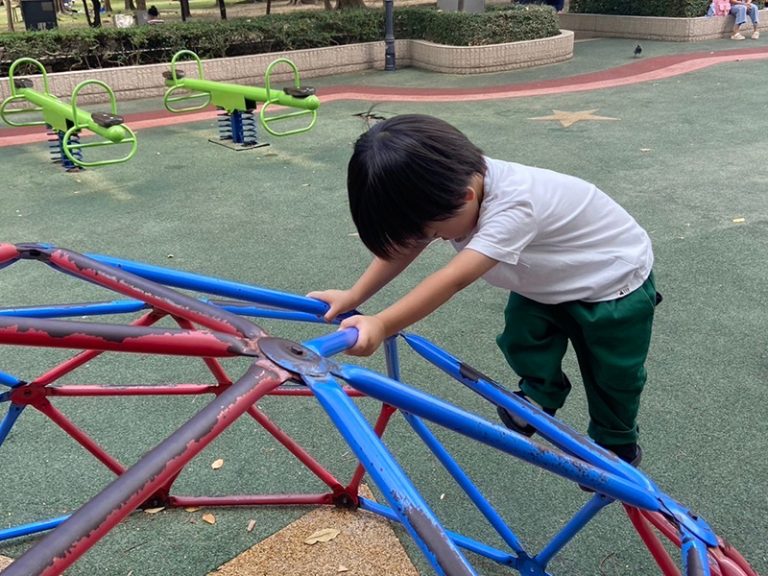
In Waldorf education, the teacher plays an active guiding role, creating a gentle group rhythm that carries the children through the day. There is a strong emphasis on imaginative, unstructured play, where children are given time and space to explore freely within a nurturing environment.
In Montessori, learning is more child-directed. Children are encouraged to choose their own activities and work independently at their own pace. The teacher acts more as a facilitator, supporting each child’s individual learning journey.
Learning Approach
Waldorf takes a play-based, experiential approach to learning. Young children learn through storytelling, music, art, movement, and outdoor exploration. Academic learning is introduced more formally from around age six, allowing early childhood to focus on creativity, social development, and a love of learning.
Montessori introduces academic concepts earlier, often from age three. Children engage with specially designed materials that build skills in literacy, numeracy, and practical life. The approach emphasises repetition, focus, and mastery through hands-on activities.
Daily Rhythm
A Waldorf day follows a predictable and comforting rhythm. There is a natural flow between guided activities, creative play, meals, rest, and time outdoors. This consistency helps children feel secure and supports emotional regulation.
Montessori classrooms are structured around uninterrupted work cycles, where children choose tasks and engage deeply for extended periods. This encourages concentration, independence, and self-discipline, with flexibility for rest and exploration.
Imagination vs. Practical Skills
Imagination is at the heart of Waldorf education. Creative play is seen as essential for cognitive and emotional development, and it is often woven together with simple, meaningful practical activities like baking or gardening.
Montessori focuses more on real-life skills and purposeful work. Children practice tasks such as pouring, cleaning, and organising, helping them build independence, coordination, and confidence in everyday life.
Classroom Environment
Waldorf classrooms are warm, cosy, and home-like. Natural materials such as wood, wool, cotton, and silk are used to create a sensory-rich environment that inspires creativity and calm. Toys are often open-ended, encouraging imagination rather than fixed outcomes.
Montessori environments are clean, orderly, and intentionally minimal. Materials are carefully designed and displayed to promote focus, independence, and clarity. Each item has a specific purpose and place, supporting structured learning.
A Gentle, Waldorf-Inspired Approach at Tawan Sprouts
At Tawan Sprouts, we are inspired by Waldorf principles and see firsthand how a gentle rhythm, imaginative play, and a nurturing environment can support children’s natural curiosity and emotional wellbeing. Our approach is not about rushing learning, but about creating the right conditions for each child to grow with confidence, creativity, and a strong sense of self.
Every child is different, and each approach offers its own strengths. If you feel drawn to a more gentle, play-based and rhythm-led environment, we warmly invite you to visit Tawan Sprouts. To learn more or arrange a visit, you can enquire through our Contact Us page.